Indoor plants show clear signs when they need care. Learn how to identify yellow leaves, drooping stems, dry soil, pests, and other warning signs before your plant becomes unhealthy.
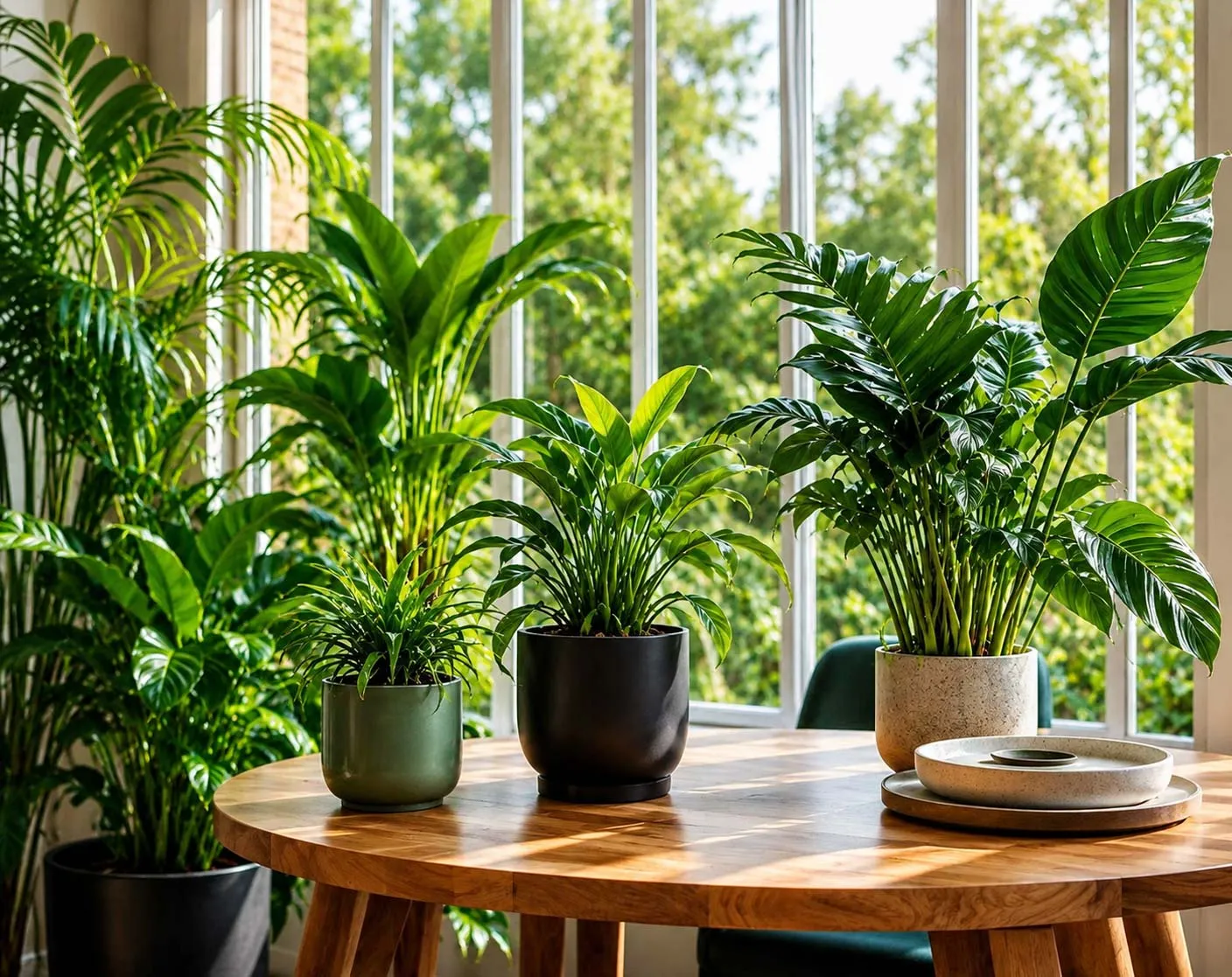
Indoor plants bring freshness, beauty, and calmness to homes, offices, cafés, salons, restaurants, and commercial spaces. But just like any living thing, plants need proper care to stay healthy.
The good thing is that plants usually show signs when something is wrong. Yellow leaves, drooping stems, dry soil, brown tips, or slow growth can all be signals that your plant needs attention.
If you understand these signs early, you can save your plant and keep it healthy for a long time.
Yellow leaves are one of the most common signs that your plant needs help. This can happen due to overwatering, underwatering, poor drainage, lack of nutrients, or low light.
If many leaves are turning yellow, check the soil first. If the soil is too wet, reduce watering. If it is very dry, water the plant properly.
Also make sure the plant is getting the right amount of indirect light.
Drooping leaves can mean the plant is stressed. It may need water, or it may have too much water.
To understand the reason, check the soil:
- If the soil is dry, the plant likely needs water.
- If the soil is wet, the plant may be overwatered.
- If the pot has no drainage, water may be sitting near the roots.
Fixing the watering routine can often help the plant recover.
Brown tips on leaves are usually a sign of dry air, underwatering, too much fertilizer, or poor water quality.
This is common in air-conditioned spaces and dry indoor environments.
To help the plant, maintain a proper watering routine, clean the leaves, and avoid placing the plant directly under AC airflow.
If leaves are becoming dry, crispy, or curling, the plant may not be getting enough water or humidity. It may also be placed in too much direct sunlight.
Move the plant to a better location with bright indirect light and water it when the top soil feels dry.
Avoid keeping delicate indoor plants in harsh afternoon sunlight.
Soft, mushy stems are often a warning sign of overwatering or root rot. This can happen when the soil stays wet for too long.
Check if the pot has proper drainage. Remove excess water from trays and reduce watering frequency.
If the plant is badly affected, it may need repotting and root cleaning.
If your plant is not growing for a long time, it may need better light, nutrients, or a bigger pot.
Indoor plants usually grow slowly, but if there is no new growth for months, check:
- Light condition
- Soil quality
- Pot size
- Watering routine
- Fertilizer requirement
A small change in placement or care can improve growth.
Some leaf drop is normal, especially older leaves. But if many leaves are falling suddenly, the plant may be stressed.
Common reasons include:
- Sudden change in location
- Overwatering
- Underwatering
- Low light
- Temperature changes
- Pest attack
Try to identify what changed recently and adjust the care routine.
If you notice white spots, sticky leaves, webbing, or small insects, your plant may have pests.
Common indoor plant pests include mealybugs, spider mites, aphids, and scale insects.
Clean the leaves gently and isolate the affected plant from other plants. If the problem continues, professional plant care may be needed.
Healthy soil should not smell bad. If the soil has a foul smell, it may be too wet and the roots may be rotting.
This usually happens because of overwatering or poor drainage.
Let the soil dry, check the roots if possible, and avoid watering again until the plant needs it.
If leaves look pale, dull, or faded, the plant may not be getting enough light or nutrients.
Move the plant to a brighter indirect light area and check if the soil needs nutrients.
For decorative indoor plants, regular care helps maintain rich green color and healthy leaves.
Use this simple checklist when your plant looks unhealthy:
- Is the soil too dry or too wet?
- Is the plant getting enough indirect light?
- Does the pot have drainage holes?
- Are there pests on leaves or stems?
- Are leaves yellow, brown, or drooping?
- Is the plant placed near AC airflow or direct harsh sunlight?
- Has the plant been moved recently?
- Does the soil smell bad?
This checklist can help you quickly find the issue.
Plants often show warning signs before they become seriously unhealthy. Yellow leaves, drooping stems, brown tips, pests, slow growth, and bad-smelling soil are all signals that your plant needs care.
By checking soil, light, water, drainage, and plant health regularly, you can keep your indoor plants fresh and beautiful.
If you want healthy indoor plants without worrying about daily care, professional indoor plant rental and maintenance services can help you maintain a green and beautiful space.